


Understanding Your Measurements
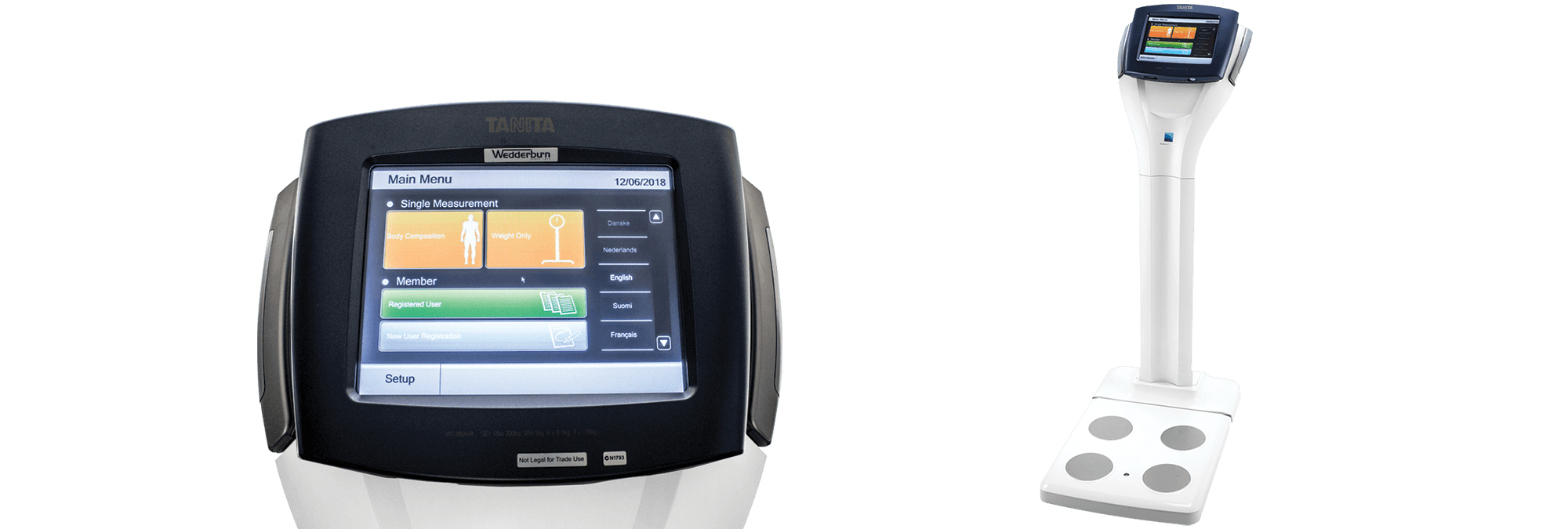
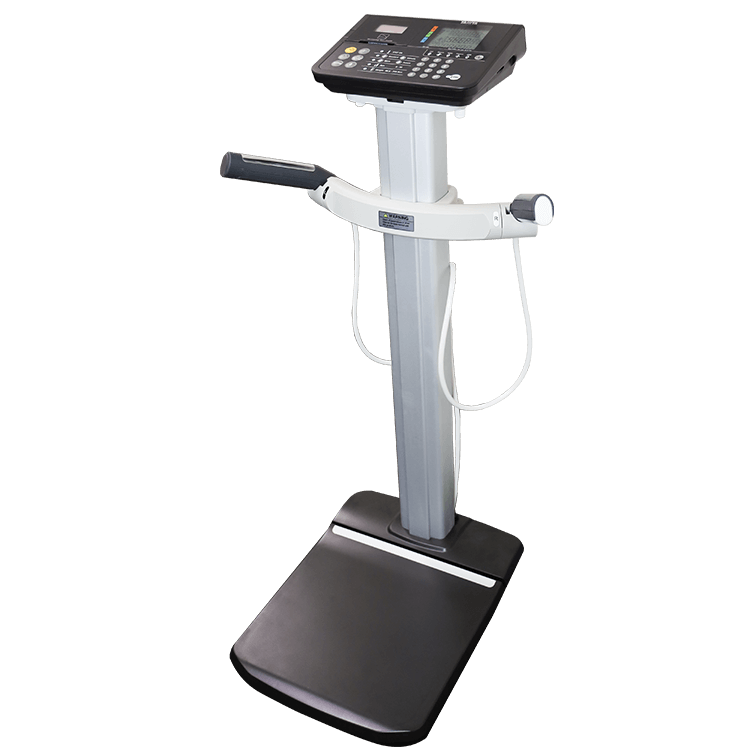
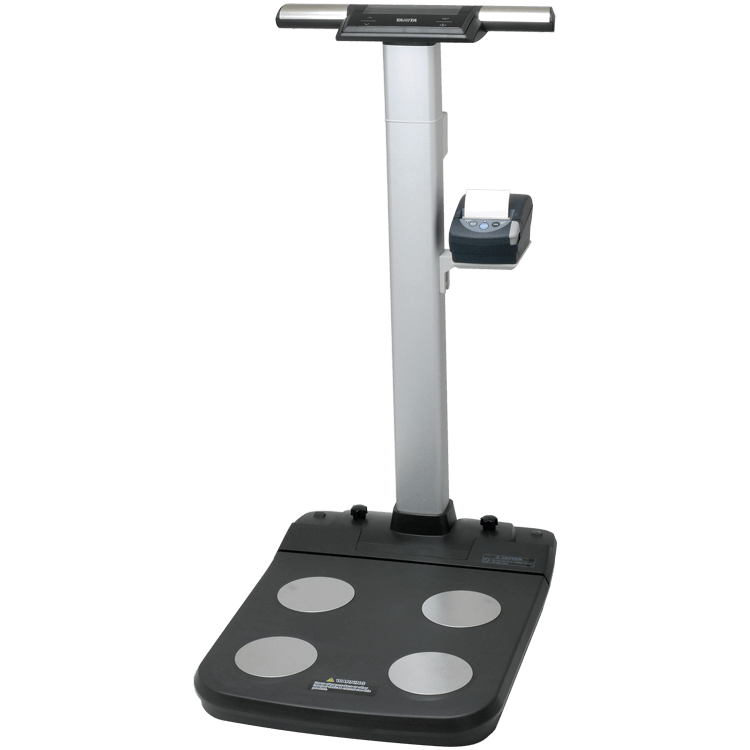
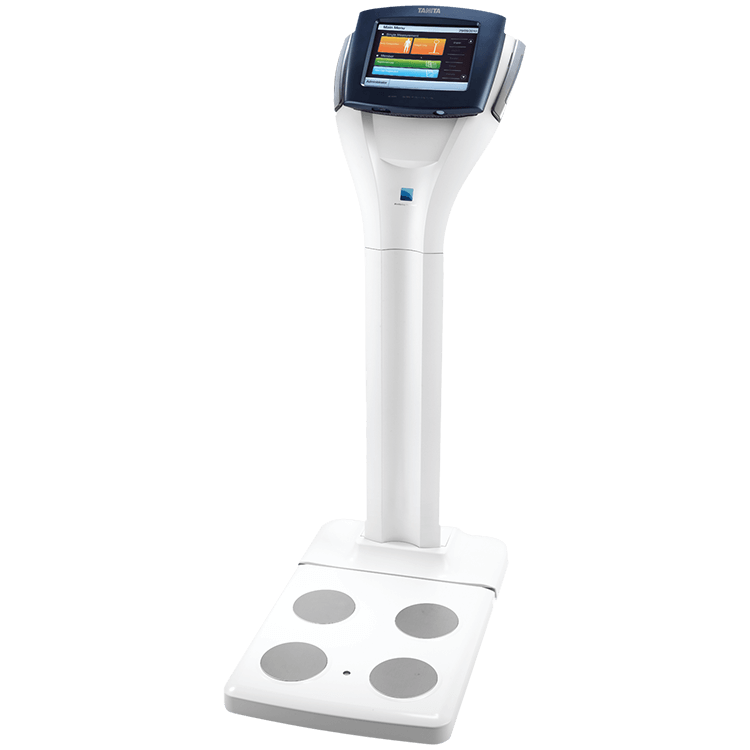
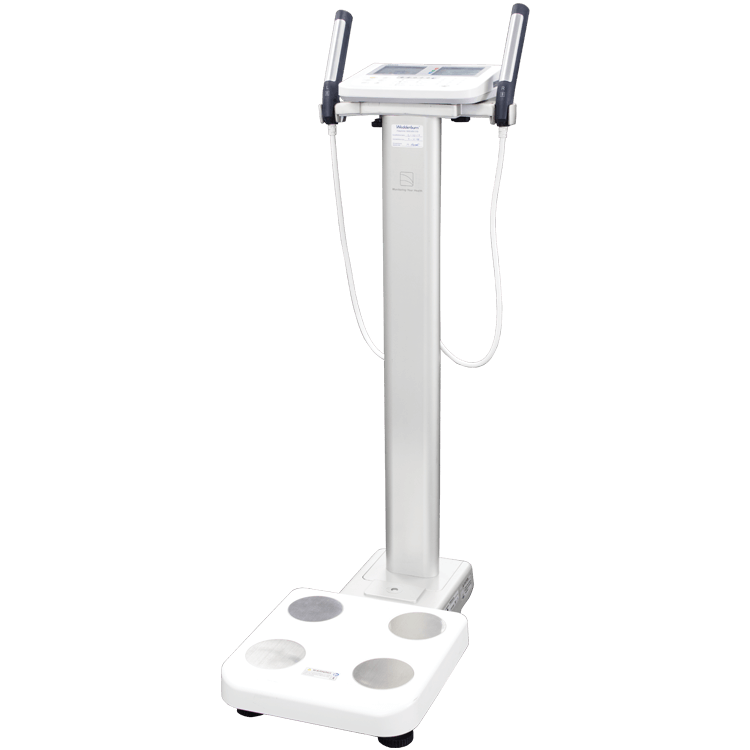
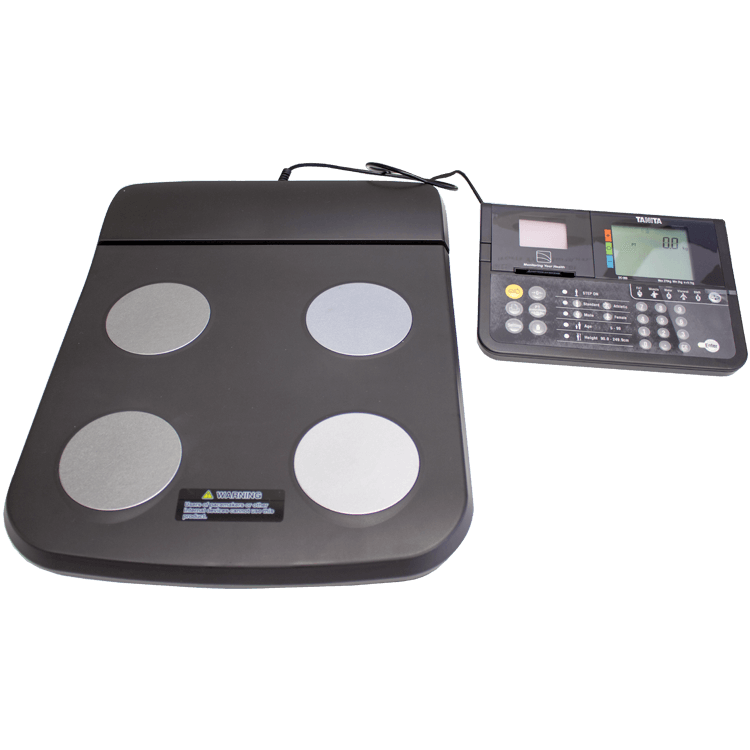
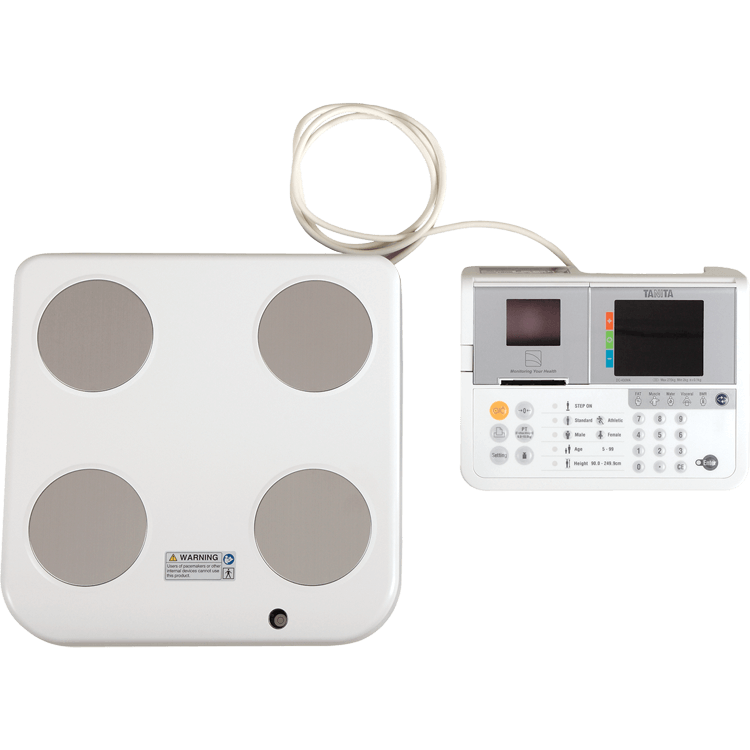
TANITA’s professional BIA monitors are a premium choice for diverse applications in the health and fitness industry.
With over 70 years of experience, we have pioneered advanced BIA technology in Japan. By sharing this innovation with professionals and consumers globally, we have been dedicated to promoting a healthier world for generations.
As the innovator and pioneer of body analysis scales, TANITA helps you unlock your full potential. Our scales go far beyond simply measuring weight, utilising advanced technology to analyse your body composition. With insights into over aten key metrics, our body composition monitors provide a comprehensive overview of your health.
This detailed understanding is an excellent starting point for living a healthier life. You can clearly see where there is room for improvement and make informed adjustments to your diet, exercise routine, or lifestyle. To maximise the benefits of our body analysis scales, it’s essential to understand and effectively interpret the measurements they provide.


Body composition measurements
- Weight
- Body fat mass
- Body fat (%)
- Body water (%)
- Muscle mass
- Body type
- BMR
- Metabolic age
- Bone Mass
- Visceral fat
- BMI
- Body water (%)
- Phase angle
- Intracellular water (ICW)
- Extracellular water (ECW)
- Protein
* These measurements are only available on some models.
Body fat mass and percentage
Body fat mass refers to the total weight of fat in your body, while body fat percentage represents the proportion of fat mass relative to your total body weight.
Body fat plays essential roles, such as insulating the body and protecting vital organs. However, having too much or too little fat can negatively affect your health. Excess fat can lead to conditions like type 2 diabetes and obesity, while insufficient fat can cause issues such as osteoporosis, irregular menstruation, or loss of bone mass.
With TANITA’s body analysis scales, you can accurately measure your body fat percentage by comparing your fat mass to your total body weight. If your body fat percentage is too low, you may need to adjust your diet and exercise routine to increase fat levels to a healthier range. Conversely, if your percentage is too high, incorporating more physical activity and adopting a healthier diet can help improve your overall well-being.
Segmental body fat percentage
Measurement of body fat percentage per part of the body.
TANITA’s unique segmental body analysis scales allow you to measure fat percentages in individual parts of your body, including both arms, both legs, and your torso. By tracking these variations, you can monitor the effectiveness of your efforts more accurately and make targeted adjustments to your diet, exercise routine, or lifestyle as needed.
Visceral fat
Visceral fat is located deep within the abdominal area, surrounding and protecting essential organs like the liver, pancreas, and kidneys.
Unlike subcutaneous fat, visceral fat lies inside the muscle wall of the torso and cannot be seen or felt externally. While maintaining a healthy overall body fat percentage is important, monitoring visceral fat levels is especially crucial as we age. Excess visceral fat can contribute to significant health risks, including cardiovascular disease, type 2 diabetes, and hypertension.
TANITA’s body analysis scales offer accurate measurements to help you monitor and manage your visceral fat levels effectively.

Muscle mass
The Predicted Weight of Muscle in Your Body.
Muscle mass includes skeletal muscle, smooth muscle (such as those in the heart and digestive system), and the water content within your muscles. Muscles play a vital role in energy expenditure, acting as the body’s engine. As muscle mass increases, your body burns more calories, which boosts your basal metabolic rate (BMR) and supports healthy weight loss by reducing excess body fat.
Higher muscle mass can also lower the risk of developing type 2 diabetes in adulthood. Increased skeletal muscle provides more insulin receptor sites, aiding in glucose uptake and regulation. Since 80% of glucose uptake occurs in skeletal muscle, having more muscle makes it easier for the body to regulate insulin levels and reduce excess fat.
For older adults, maintaining muscle mass is critical for mobility, joint support, and balance, which helps reduce the risk of falls and fractures. A healthy or high level of muscle mass is also a key indicator of longevity and overall well-being.
Segmental muscle mass
Muscle Mass in Each Body Segment.
TANITA’s segmental body analysis scales provide detailed measurements of muscle mass in individual body parts, including each arm, leg, and the torso. This feature is particularly beneficial for tracking imbalances between the left and right sides of the body or focusing on muscle development in specific areas.

Muscle quality score
Tanita’s muscle quality score evaluates the condition of your muscles, influenced by factors such as age and physical activity levels.
Muscle quality goes beyond size. While someone might have large muscles, their strength doesn’t always match. Quality is just as important as quantity, and even within the same body, muscle quality can vary. For instance, if your left arm has higher muscle quality than your right, it can create imbalances, increasing the risk of injury.
Starting at age 18, muscle quality can be assessed by analysing the ratio of muscle mass to height, helping identify and address potential imbalances for improved strength, function, and overall performance.
Total body water (%)
Body water percentage refers to the amount of fluid in the body, expressed as a percentage of total body weight.
Water is essential for various bodily functions and is present in every cell, tissue, and organ. A healthy body water percentage typically ranges from 45% to 60% for women and 50% to 65% for men. Maintaining a healthy hydration level helps reduce the risk of health issues and supports proper body function.
The body’s water content fluctuates regularly due to factors such as urination, sweating, and breathing. Hydration levels can also be influenced by alcohol consumption, illness, or menstruation.
It’s important to note that as body fat percentage increases, total body water percentage tends to decrease. Individuals with higher body fat percentages may have water levels below the average range. Body water measurements are best used as a general guideline rather than a definitive target. For any concerns or specific recommendations, consulting a healthcare professional is advised.
Bone mass
Bone mass refers to the estimated weight of the mineral content in your bones, which plays a critical role in maintaining your body’s strength, movement, and ability to bear weight.
Bone mass typically increases until around the age of 30, after which it gradually begins to decline. While this decrease does not usually cause immediate issues, maintaining a good overall balance in your body is essential for long-term bone health.
Although bone mass changes slowly over time, it’s beneficial to monitor it periodically. Bone mass is calculated using statistical models based on research, which have shown a strong correlation between bone weight and lean body mass. Regular tracking can help ensure that your bones remain strong and healthy as you age.
Body type
This measurement evaluates the percentage of muscle and body fat in your body, classifying it into one of nine body types.
When you increase your physical activity, your overall body weight might not change significantly, but the balance between muscle mass and body fat often shifts. These changes can influence your physique and posture over time.
Body analysis scales allow you to track these ratios and observe gradual changes as you work toward your desired body composition. By comparing muscle mass and body fat measurements, the scale provides insights into your body type, helping you monitor progress and adjust your fitness routine as needed.
For older adults, maintaining muscle mass is critical for mobility, joint support, and balance, which helps reduce the risk of falls and fractures. A healthy or high level of muscle mass is also a key indicator of longevity and overall well-being.
Basal Metabolic Rate (BMR)
BMR refers to the minimum amount of energy or calories your body needs daily to perform essential functions while at rest, including activities like breathing, circulating blood, and supporting the nervous system, liver, kidneys, and other vital organs.
Your BMR is significantly influenced by your muscle mass. The more muscle you have, the higher your BMR, which means your body burns more calories at rest and reduces body fat more effectively. Conversely, a lower BMR can make it more challenging to lose body fat.
Understanding your BMR helps determine your minimum calorie intake, which can be adjusted based on your daily activities. If you’re following an intensive training regimen, regularly monitoring your BMR is beneficial for maintaining balance and optimising results. A body analysis scale can easily calculate your BMR, providing valuable insight for managing your energy needs and overall health.
Metabolic age
Metabolic age is a measure that compares your Basal Metabolic Rate (BMR) to the average BMR of people in your age group.
If your metabolic age is higher than your actual age, it may indicate that your metabolism is less efficient than it could be. Regular monitoring of your metabolic age can help identify areas for improvement. Increasing physical activity and building muscle mass can enhance your BMR, leading to a lower and healthier metabolic age over time. Consistent check-ins are key to tracking progress and maintaining an efficient metabolism.
Body Mass Index
A standardised ratio of weight to height, used as a general indicator of health.
The Body Mass Index (BMI) is a widely used health indicator. It can be roughly calculated by dividing your body weight (in kilograms) by your height (in metres) squared. If the resulting figure is less than 18.5, you are underweight. A number between 18.5 and 25 indicates a healthy weight. A number above 25 is overweight and a number above 30 is obese. Although the BMI is a generally accepted health indicator, it is not the only one. For example, someone with a lot of muscle mass can have a high BMI without being unhealthy. By looking at the ratio of muscle to fat mass, among other things, you get a much better understanding of your health.
Daily calorie intake (DCI)
DCI represents an estimate of the calories you need over the next 24 hours to maintain your current weight.
While your Basal Metabolic Rate (BMR) calculates the energy required for basic body functions like breathing, heart rate, and temperature regulation at rest, DCI also factors in the energy needed for daily activities.
Daily energy requirements are determined by combining:
- Basal Metabolism (BMR): The energy your body needs to maintain essential bodily functions.
- Energy for Activity: The additional energy required for movement and physical activity, which varies depending on your activity level.
Monitoring your DCI helps provide a complete picture of your energy needs, guiding you in managing your weight effectively.
Resting heart rate
Resting heart rate is an important indicator of cardiovascular health and can help predict the risk of cardiovascular morbidity and mortality.
Regularly monitoring heart rate plays a key role in preventing and managing cardiovascular diseases. While advancements have led to a decline in mortality rates from these diseases, they continue to pose a significant health challenge. Understanding and tracking resting heart rate provides valuable insights into heart health and supports early intervention and better management strategies.
Take Control of Your Health!
Gain valuable insights into your body’s measurements and take the first step toward a healthier you. Use accurate data to make informed decisions and achieve lasting results. Start your journey today!